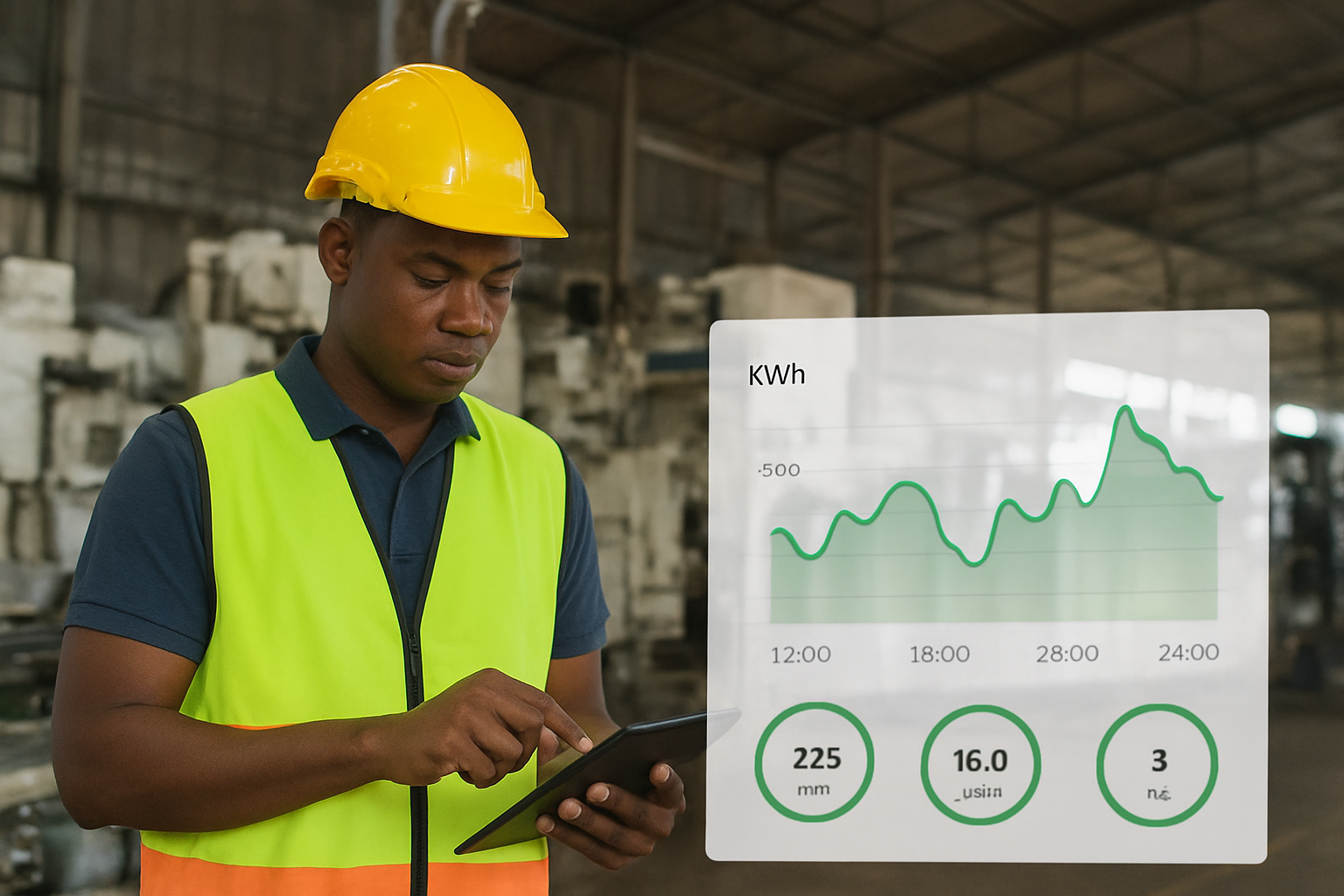
Across the world, energy management is undergoing a quiet revolution. It’s no longer just about generating or consuming power; it’s about understanding it in real time.
For many organizations, this shift from delayed reporting to instant insights is unlocking new levels of efficiency, reliability, and sustainability.
The Old Way: Managing Energy Blindfolded
Not too long ago, most facilities relied on monthly electricity bills or manual readings to understand how much energy they used. By the time the data arrived, opportunities to act had already passed.
Decisions were based on averages and assumptions rather than evidence, a bit like trying to drive while only looking in the rearview mirror.
But energy doesn’t stand still. It fluctuates with weather, equipment performance, human behavior, and even time of day. Without real-time visibility, much of that valuable information is lost.
The Shift to Real-Time Insights
Today, modern meters and digital monitoring systems are changing how organizations interact with energy.
These tools don’t just collect data; they translate it into stories, showing when and where energy is being used, wasted, or optimized.
Real-time monitoring allows facility managers to spot issues before they become costly. For instance, a sudden spike in consumption might signal a malfunctioning motor, a leak in compressed air, or even human error.
When energy data is available instantly, it turns from a static report into a decision-making tool.
Africa’s Energy Landscape: Why Monitoring Matters Even More
In Africa, where energy resources are precious and supply can be unpredictable, this kind of visibility carries extra weight.
Every kilowatt saved supports reliability, reduces costs, and contributes to climate goals.
Real-time monitoring also helps industries and institutions align with global sustainability standards, giving them an edge in an increasingly conscious marketplace.
For growing economies like Kenya, Nigeria, or Ghana, integrating intelligent energy systems is becoming essential — not optional.
Technology Meets Local Expertise
What makes this transformation work isn’t just the technology itself, but how it’s applied.
At Eenovators Limited, we’ve seen firsthand how the right data, interpreted and acted upon, can transform operations.
By utilizing proven solutions like eGauge and integrating newer tools like ADM Meters, our goal has always been to transform complex data into actionable intelligence for African businesses.
The real innovation lies not just in installing meters, but in helping people understand the stories behind the numbers.
From Monitoring to Meaning
Energy monitoring is no longer about compliance or curiosity. It’s about creating a culture of awareness.
When organizations know exactly how they consume energy, they can make informed choices, whether that’s upgrading equipment, changing behavior, or planning for renewable integration.
As technology continues to evolve, we’ll see more systems capable of predicting consumption, automating responses, and integrating seamlessly with smart grids.
That’s where the true power lies, not in the data itself, but in how we use it.
Looking Forward
Africa’s energy story is one of innovation, resilience, and opportunity.
By embracing real-time monitoring, organizations aren’t just improving performance; they’re building the foundation for a smarter, cleaner, and more efficient future. At Eenovators, we believe that the journey toward sustainability begins with one simple principle:
You can’t manage what you don’t measure, but you can transform what you understand. Through our work in energy monitoring, we continue to champion the Productive Use of Renewable Energy and Energy Efficiency, ensuring that every watt counts, not just for performance, but for people and the planet.
(adsbygoogle = window.adsbygoogle || []).push({});